Physical access has long been considered one of the most powerful capabilities an attacker can possess. While software vulnerabilities often require remote exploitation and complex attack chains, physical attacks can bypass many layers of traditional security by interacting directly with hardware. Among the most significant classes of such threats are Direct Memory Access (DMA)-based attacks, historically associated with interfaces like FireWire and later extended to modern high-speed interconnects.
With the transition from older operating systems such as Windows 7 to modern platforms like Windows 11, the security landscape has evolved significantly. Microsoft has introduced a wide range of defensive mechanisms designed to mitigate physical attacks, including kernel hardening, virtualization-based security, and improved memory isolation. However, despite these advancements, DMA-based attacks remain relevant due to the fundamental nature of hardware-level access.
This article explores the evolution of physical DMA attacks from earlier systems to Windows 11, analyzes the current threat landscape, and examines the effectiveness of modern defenses such as BitLocker, memory protection technologies, and I/O security mechanisms.
Historical Context: From FireWire to Modern Interfaces
In earlier computing environments, interfaces such as IEEE 1394 (FireWire) were widely used for high-speed data transfer. These interfaces provided direct access to system memory via DMA, allowing connected devices to read and write memory without CPU intervention. While this design improved performance, it also introduced a critical vulnerability: any connected device could potentially access sensitive memory regions.
Researchers demonstrated that by connecting a malicious device to a FireWire port, it was possible to extract encryption keys, bypass login screens, and compromise operating systems such as Windows 7. Tools developed during that era could perform memory dumps in real time, effectively bypassing software-based protections.
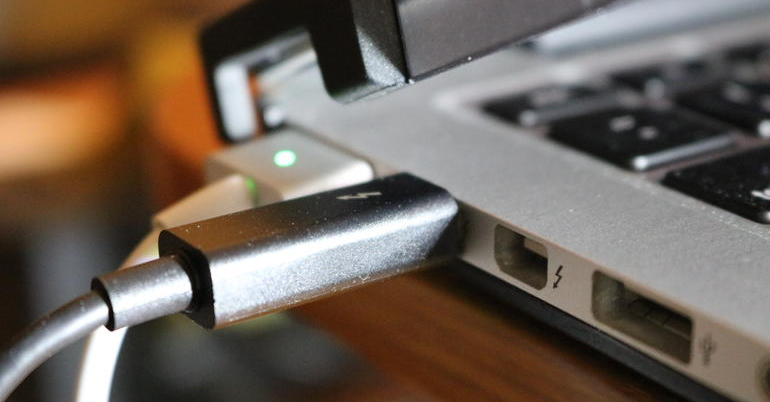
Although FireWire has largely disappeared from modern consumer systems, its legacy lives on in newer technologies such as Thunderbolt, PCI Express, and USB4. These interfaces offer even higher speeds and similar DMA capabilities, making them equally, if not more, powerful from an attacker’s perspective.
The Architecture of Windows 11 and Its Security Model
Windows 11 represents a significant shift toward a more security-focused operating system architecture. Unlike its predecessors, it enforces stricter hardware requirements, including the presence of Trusted Platform Modules (TPM 2.0), Secure Boot, and support for virtualization-based security features.
At the core of Windows 11’s design is the principle of defense in depth, where multiple layers of protection work together to mitigate threats. These layers include kernel isolation, credential protection, and hardware-enforced security boundaries.
However, DMA attacks challenge this model because they operate below or alongside the operating system, interacting directly with physical memory. This creates a unique tension between hardware capabilities and software-enforced security policies.
Understanding DMA Attacks in Modern Systems
DMA attacks exploit the ability of peripheral devices to access system memory directly. When a device is connected to a system via a DMA-capable interface, it can potentially read or modify memory contents without the operating system’s knowledge.
In the context of Windows 11, this raises several critical concerns. Sensitive information such as encryption keys, authentication tokens, and kernel data structures may reside in memory. If an attacker can access these regions, they can bypass authentication mechanisms, decrypt protected data, or manipulate system behavior.
Unlike traditional exploits, DMA attacks do not rely on vulnerabilities in application code or system services. Instead, they leverage legitimate hardware functionality in unintended ways. This makes them particularly difficult to detect and prevent.
BitLocker and Memory Exposure Risks
BitLocker is one of the primary security features in Windows 11, designed to protect data at rest through full-disk encryption. It relies on cryptographic keys stored securely within the system, often protected by the TPM.
However, during normal operation, these keys must be present in system memory to allow transparent access to encrypted data. This creates a window of opportunity for DMA attacks. If an attacker gains physical access to a running or suspended system, they may be able to extract these keys from memory.
Windows 11 mitigates this risk through several mechanisms, including memory protection techniques and restrictions on external device access during certain system states. Nevertheless, the fundamental challenge remains: any data in memory is potentially accessible to DMA-capable devices unless explicitly protected.
Kernel Memory and Control Flow Manipulation
Beyond data extraction, DMA attacks can also target the integrity of the operating system. By modifying kernel memory, an attacker can alter execution flow, disable security mechanisms, or inject malicious code.
Windows 11 includes numerous protections against such attacks, including Kernel Patch Protection (PatchGuard) and Hypervisor-Protected Code Integrity (HVCI). These features are designed to prevent unauthorized modifications to critical kernel structures.
However, DMA attacks operate outside the normal execution environment, allowing attackers to bypass some of these protections. By directly manipulating memory, they can introduce changes that are not immediately detected by the operating system.
This highlights a fundamental limitation of software-based defenses: they are not always equipped to handle threats originating from hardware-level interactions.
IOMMU and Kernel DMA Protection in Windows 11
To address the risks associated with DMA, modern systems, including Windows 11, utilize Input-Output Memory Management Units (IOMMUs). These components restrict the memory regions accessible to devices, enforcing isolation between peripherals and critical system memory.
Windows 11 builds upon this capability with Kernel DMA Protection, a feature that prevents unauthorized DMA access from external devices, particularly during system startup and when the device is locked.
When properly configured, Kernel DMA Protection ensures that newly connected devices cannot perform DMA operations until they are verified and authorized by the system. This significantly reduces the risk of opportunistic attacks involving malicious peripherals.
However, the effectiveness of these protections depends on hardware support, firmware configuration, and driver implementation. Inconsistent support across devices and systems can leave gaps that attackers may exploit.
Physical Access and Real-World Attack Scenarios
Despite advances in security, physical access remains a critical factor in system compromise. In real-world scenarios, attackers may exploit unattended devices, stolen laptops, or shared work environments to gain access to target systems.
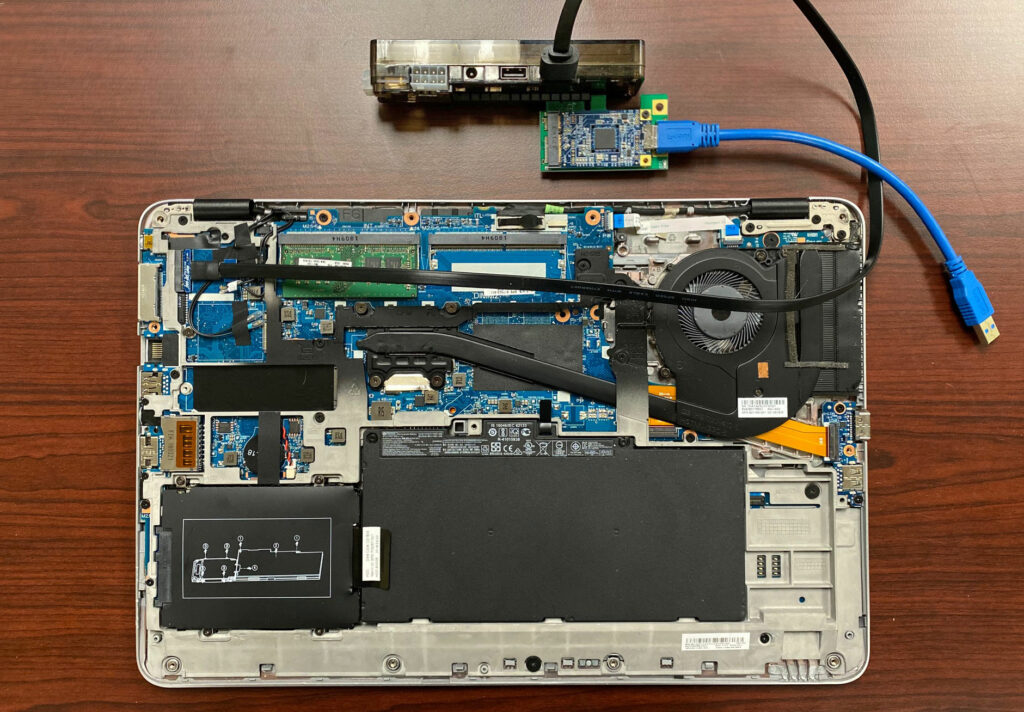
A common attack scenario involves connecting a malicious peripheral to a locked or sleeping system. If protections are not fully enforced, the device may initiate DMA operations and extract sensitive data within seconds.
Another scenario involves targeting systems during boot or resume phases, when certain protections may not yet be active. These transitional states can present opportunities for attackers to bypass security mechanisms.
Even in environments with strict access controls, insider threats pose a significant risk. Individuals with legitimate access to systems may introduce malicious devices without raising suspicion.
Evolution of Defensive Technologies
The transition to Windows 11 has been accompanied by significant advancements in defensive technologies. Virtualization-based security (VBS) isolates critical components of the operating system, reducing the impact of memory corruption attacks.
Credential Guard protects authentication secrets by storing them in isolated memory regions, making them inaccessible to most forms of attack. Similarly, Device Guard enforces strict policies on code execution, limiting the ability of attackers to run unauthorized software.
Hardware innovations also play a crucial role. Modern processors include features such as memory encryption and secure enclaves, which provide additional layers of protection against physical attacks.
Despite these advancements, no single solution can fully eliminate the risk of DMA attacks. Security must be approached as a continuous process, adapting to evolving threats and technological changes.
Limitations and Ongoing Challenges
While Windows 11 represents a significant improvement over earlier systems, challenges remain. The complexity of modern hardware and software ecosystems makes it difficult to achieve comprehensive protection.
Not all systems fully support advanced security features, and misconfigurations can weaken defenses. Additionally, the need for backward compatibility and performance optimization may introduce trade-offs that impact security.
Attackers continue to develop new techniques that exploit subtle interactions between hardware and software. As a result, defenses must be constantly updated and refined to keep pace with emerging threats.
Future Directions in DMA Security
Looking ahead, the future of DMA security will likely involve tighter integration between hardware and software. Advances in fine-grained memory protection, device authentication, and secure communication protocols may help mitigate current vulnerabilities.
Research into new architectures that minimize trust in external devices is also gaining momentum. These approaches aim to redesign system interactions in a way that reduces the potential impact of compromised peripherals.
In addition, increased awareness of physical attack vectors will play a key role in shaping security practices. Organizations and individuals must recognize that physical access can be as dangerous as remote exploitation, if not more so.
DMA-based physical attacks represent a persistent and evolving threat, even in modern operating systems such as Windows 11. While significant progress has been made in mitigating these risks through technologies like IOMMU, Kernel DMA Protection, and virtualization-based security, the fundamental challenge of hardware-level access remains.
The transition from legacy interfaces like FireWire to modern high-speed connections has not eliminated the risk but has instead transformed it. Attackers continue to exploit the inherent capabilities of hardware to bypass traditional security boundaries.
Ultimately, defending against DMA attacks requires a comprehensive approach that combines hardware innovation, robust operating system design, and vigilant security practices. Windows 11 provides a strong foundation, but maintaining security in the face of evolving threats will require ongoing effort and adaptation.