Modern computing systems are increasingly interconnected, relying on a wide ecosystem of external peripherals to extend functionality, improve performance, and enhance user experience. From high-speed storage devices to network adapters and even seemingly harmless accessories like chargers or display adapters, these peripherals interact deeply with the system’s internal architecture. However, this convenience comes at a cost. Beneath the surface lies a powerful and often underestimated capability known as Direct Memory Access (DMA), which has long been recognized as a potential vector for serious security vulnerabilities.
DMA allows hardware devices to read and write system memory directly, bypassing the CPU. While this feature is essential for performance optimization, it also introduces a dangerous level of trust between the operating system and connected devices. If a malicious or compromised peripheral exploits DMA capabilities, it can gain unrestricted access to memory, effectively bypassing traditional security boundaries.
The research project known as Thunderclap represents a significant step forward in understanding how these risks manifest in modern systems, particularly in the presence of protections such as Input-Output Memory Management Units (IOMMUs). Despite widespread belief that IOMMUs provide strong defense against DMA-based attacks, Thunderclap reveals that the reality is far more complex and concerning.
The Fundamentals of DMA and Its Security Implications
To fully appreciate the significance of Thunderclap, it is important to understand the role of DMA in system architecture. Traditionally, when a device needs to transfer data to or from memory, it must involve the CPU, which introduces latency and overhead. DMA eliminates this bottleneck by allowing devices to perform memory operations independently.
While this dramatically improves efficiency, it also means that devices operate with a high level of privilege. In early computing systems, this was not considered a major concern because physical access to hardware was limited and devices were generally trusted. However, as technology evolved, the landscape changed.
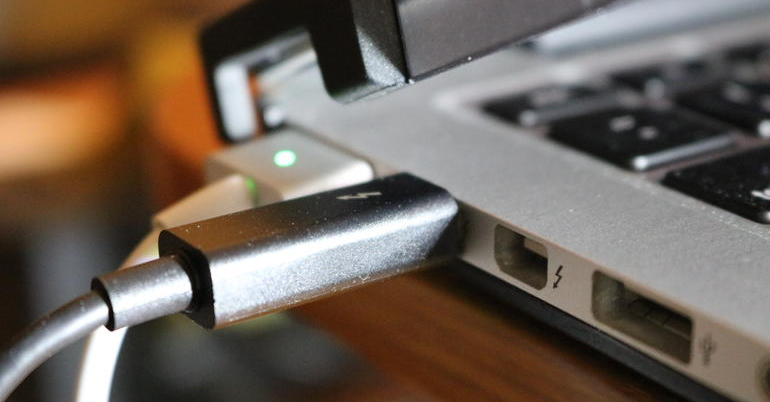
Today’s systems support hot-pluggable, high-speed interfaces such as Thunderbolt and USB-C. These interfaces allow devices to be connected and disconnected dynamically, often without requiring system reboots or explicit user approval. This convenience introduces new risks, as attackers can exploit even brief physical access to connect malicious peripherals capable of launching DMA attacks within seconds.
The Emergence of IOMMU-Based Protections
In response to the growing threat of DMA attacks, hardware manufacturers and operating system developers introduced IOMMUs. An IOMMU acts as a form of memory protection for devices, similar to how a traditional Memory Management Unit (MMU) protects processes.
The IOMMU translates device-visible addresses into physical memory addresses and enforces access control policies. In theory, this prevents devices from accessing memory regions outside of those explicitly assigned to them. As a result, IOMMUs have been widely regarded as an effective defense mechanism against DMA-based attacks.
Operating systems such as macOS, Linux, and FreeBSD have integrated IOMMU support, and it is often assumed that systems using these protections are secure against malicious peripherals. However, Thunderclap challenges this assumption by demonstrating that the interaction between devices and operating systems introduces subtle but critical vulnerabilities.
The Thunderclap Research Platform
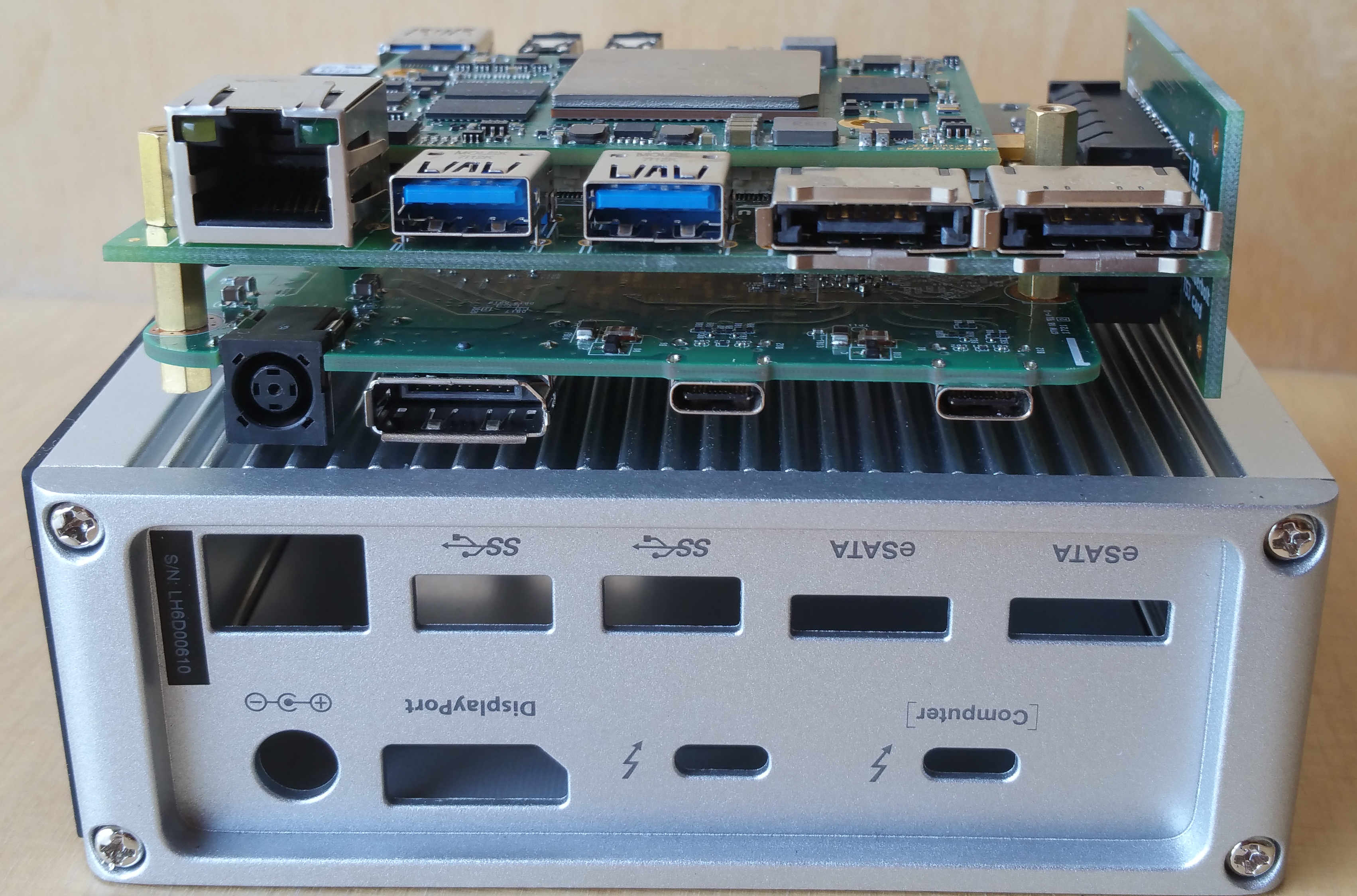
To systematically investigate these issues, researchers developed Thunderclap, an open-source hardware platform built using FPGA technology. This platform emulates a wide range of DMA-capable devices, enabling controlled experimentation with how operating systems handle interactions with peripherals.
Unlike traditional attack methods that rely on simplistic or clearly malicious behavior, Thunderclap takes a more sophisticated approach. It simulates legitimate devices—particularly network interfaces—that interact with the operating system in complex and realistic ways. This allows researchers to explore how trusted communication patterns can be manipulated for malicious purposes.
The key insight behind Thunderclap is that security mechanisms often assume devices behave correctly. When a device follows expected protocols but subtly exploits edge cases in system behavior, it can bypass protections that were designed to stop more obvious attacks.
Exploiting Shared Memory and IOMMU Weaknesses
One of the most important findings of the Thunderclap research is that IOMMU protections are not inherently flawed, but their implementation and integration with operating systems can introduce vulnerabilities. These weaknesses often arise in the handling of shared memory between the operating system and peripherals.
Modern operating systems frequently use shared memory regions to communicate with devices efficiently. For example, network cards may use shared buffers to transfer packets. While the IOMMU restricts access to these regions, it does not fully control how they are used.
Thunderclap demonstrates that a malicious device can exploit these shared memory interactions to achieve unintended effects. By carefully crafting data structures and timing interactions, the device can manipulate how the operating system processes information. This can lead to memory corruption, leakage of sensitive data, or even control-flow hijacking within the kernel.
Real-World Exploitation Scenarios
The implications of these vulnerabilities are far from theoretical. Thunderclap shows that attacks can be carried out using common, seemingly benign devices such as USB-C adapters, docking stations, or even power supplies.
In one scenario, a malicious peripheral masquerades as a network interface and intercepts sensitive data passing through shared memory. This can include unencrypted traffic from VPN connections, exposing private communications that users assume are secure.
In another scenario, the attacker uses carefully constructed DMA operations to overwrite critical kernel data structures. By doing so, they can redirect the execution flow of the operating system, ultimately gaining root-level access. Remarkably, these attacks can be executed in a matter of seconds after the device is connected.
What makes these scenarios particularly alarming is the minimal level of access required. An attacker does not need prolonged interaction with the target system; even brief physical access can be sufficient to compromise it.
Cross-Platform Vulnerability Analysis
Thunderclap’s findings highlight that these issues are not limited to a single operating system. The researchers demonstrated successful attacks against macOS, Linux, and FreeBSD, all of which implement IOMMU-based protections.
Each operating system exhibited different weaknesses, often related to how they manage device initialization, memory mapping, and driver interactions. In some cases, protections were incomplete or inconsistently applied. In others, performance optimizations introduced subtle security gaps.
Windows systems were also found to be vulnerable, primarily because IOMMU protections are not universally enabled or enforced across all device classes. This inconsistency leaves many systems exposed to DMA attacks despite the presence of capable hardware.
Rethinking Trust in Peripheral Devices
A central theme emerging from Thunderclap is the need to reconsider how systems establish trust in peripheral devices. Historically, devices have been treated as trusted components once connected. However, this assumption is increasingly untenable in a world where attackers can easily create malicious hardware.
The research demonstrates that even devices that appear to function normally can act as attack vectors. This challenges traditional security models, which often focus on software threats while overlooking the risks posed by hardware.
To address this issue, systems must adopt a more cautious approach, treating peripherals as potentially untrusted entities and enforcing stricter validation and isolation mechanisms.
Industry Response and Mitigation Efforts
Following the disclosure of Thunderclap’s findings, researchers collaborated closely with operating system vendors to address the identified vulnerabilities. This collaboration led to significant improvements in how systems handle DMA and IOMMU protections.
Mitigations include stricter memory isolation policies, improved validation of device behavior, and enhanced security during device initialization. Some systems have introduced additional restrictions on when and how DMA access is granted, particularly for hot-plugged devices.
While these changes represent meaningful progress, they do not completely eliminate the risk. The complexity of modern hardware and software interactions means that new vulnerabilities may continue to emerge.
Broader Implications for System Security
Thunderclap underscores a broader shift in the security landscape. As attackers move beyond software exploits and target the underlying hardware infrastructure, traditional defenses may no longer be sufficient.
The research highlights the importance of considering security at every layer of the system, from physical hardware to operating system design. It also emphasizes the need for ongoing collaboration between researchers, hardware manufacturers, and software developers.
Ultimately, the lessons learned from Thunderclap extend beyond DMA attacks. They serve as a reminder that security assumptions must be continually re-evaluated in the face of evolving technology.
The Thunderclap research reveals a critical gap between the perceived and actual effectiveness of IOMMU-based protections against DMA attacks. By exploiting subtle interactions between devices and operating systems, attackers can bypass safeguards and achieve powerful compromises, including full kernel control.
As computing systems continue to evolve, the challenge of securing them grows more complex. The findings of Thunderclap demonstrate that even well-established defense mechanisms can be undermined by unexpected behaviors and overlooked assumptions.
Addressing these challenges will require a fundamental shift in how systems are designed, with greater emphasis on minimizing trust, enforcing strict isolation, and anticipating adversarial behavior at every level. Only through such efforts can the security of modern computing systems be strengthened against the increasingly sophisticated threats they face.